
POPOLARE TREBESTO
– Self-managed sports, Lucca (ITALY) –
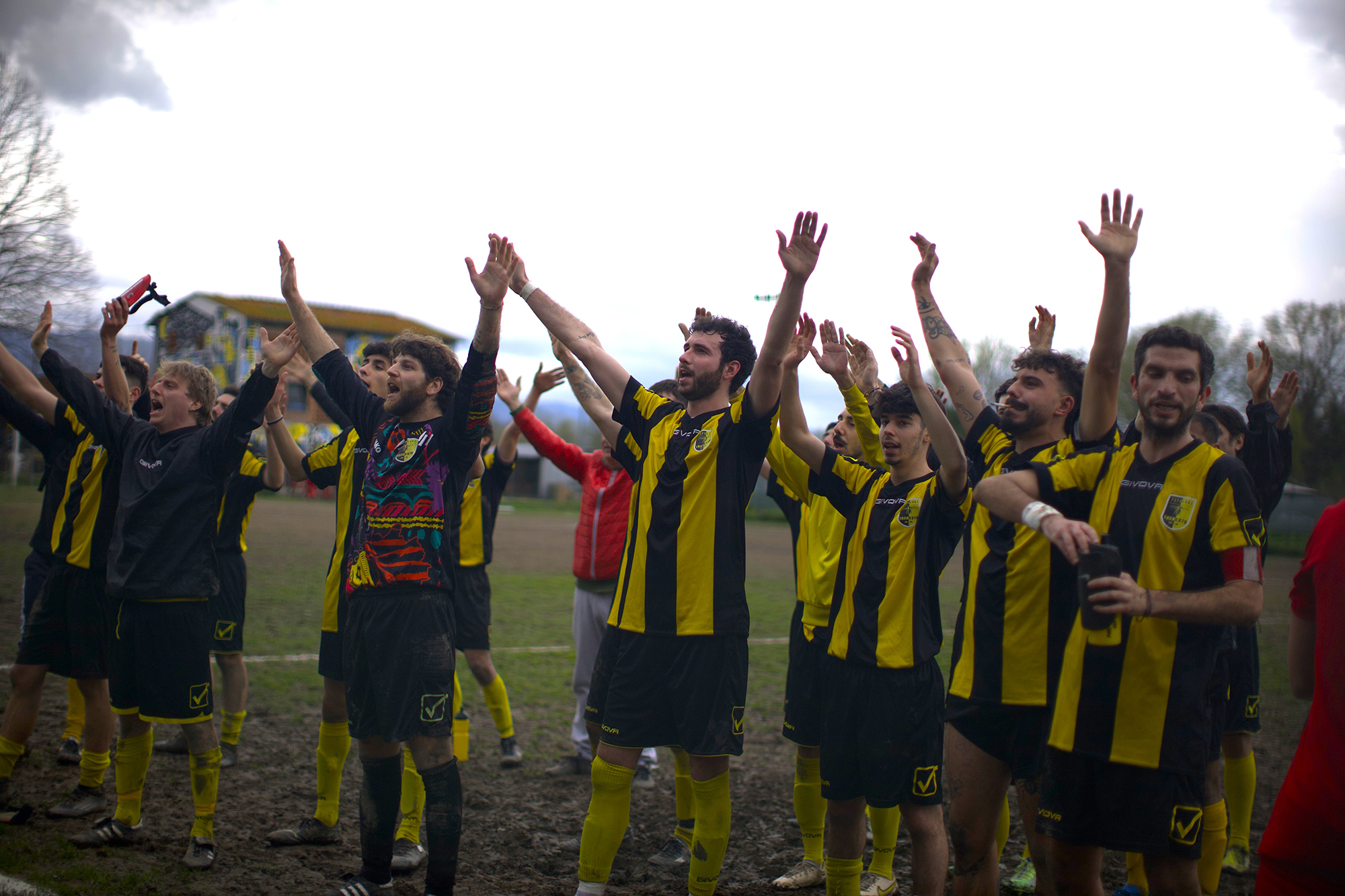
A self-managed and inspiring experience, Popolare Trebesto is an excellent example of a grassroots initiative, where all sorts of people combine sports practice and antifa activism, in total independence!
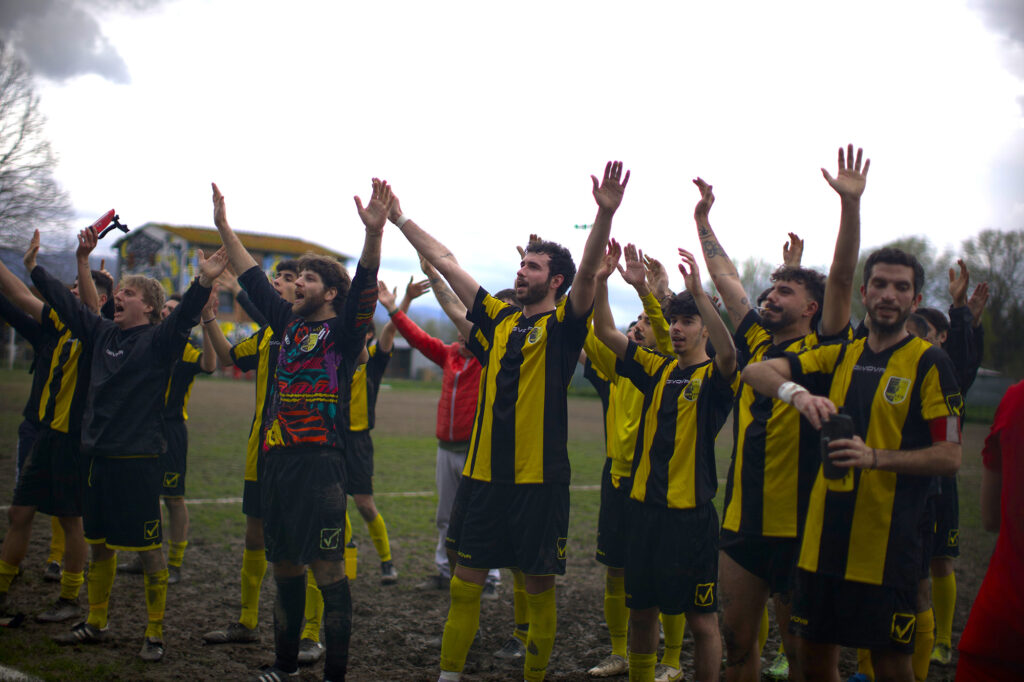
Active since 2018, the self-managed team in Lucca participates in football, volleyball, and boxing championships, not to mention hip-hop, yoga, and aerial dance!
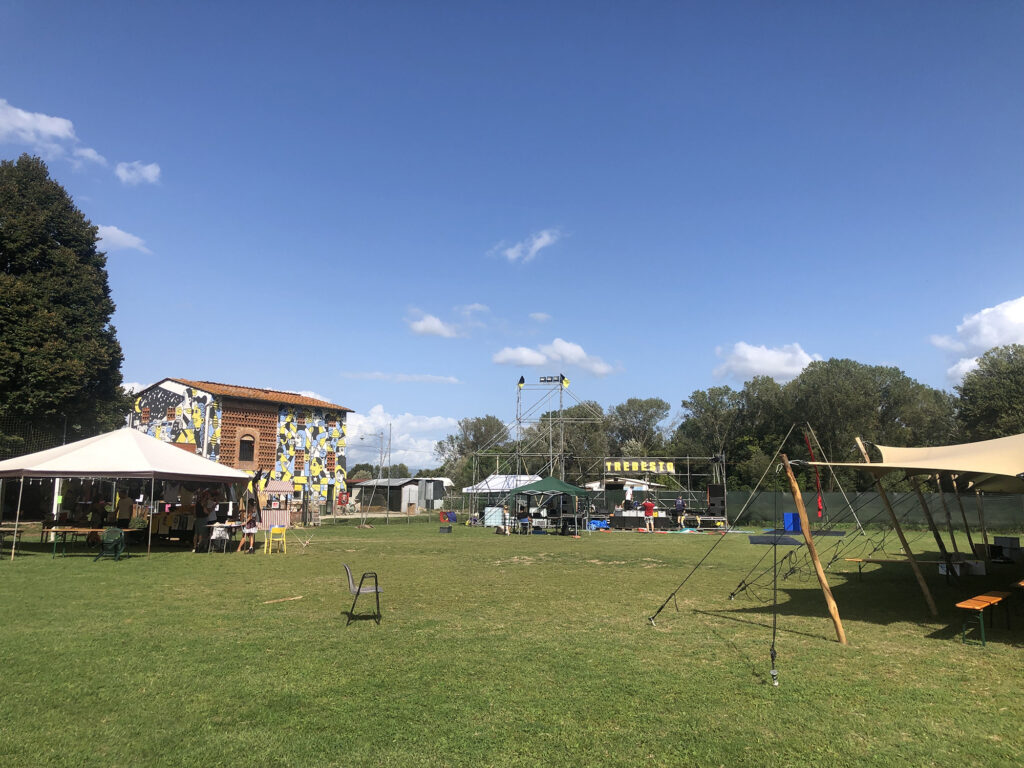
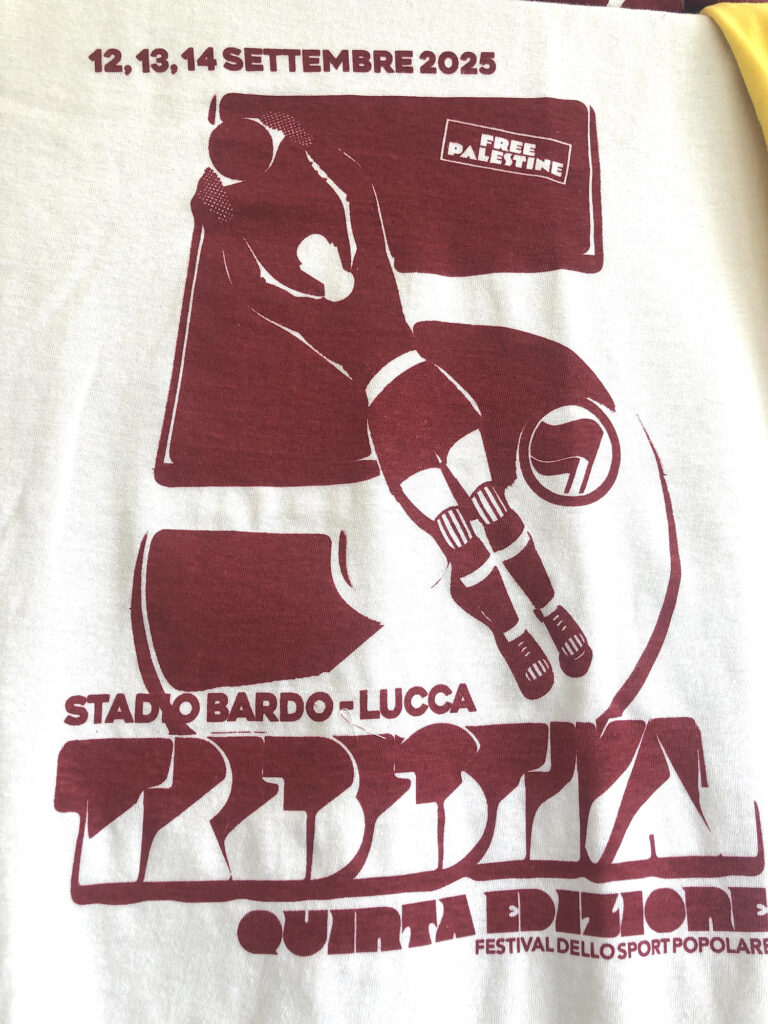
They also have their own field and were able to organize the excellent Trebestival festival there, dedicated to self-managed sports and DIY culture!
! A fantastic event that we were lucky enough to attend… Now, let’s hear from the members of Popolare Trebesto!
Interview by Polka B | Translated by Ninofutur

Can you tell us about the beginnings of Popolare Trebesto?
We created “Trebesto” in 2018, a self-managed football team where all decisions are made collectively. Initially, we didn’t have a place of our own. We had to rent different football fields to be able to play.
The idea was to enter the world of tifos and sports with a horizontal and democratic organizational structure. In our city, a cycle of struggles linked to student demands was coming to an end. Most of us were over 25, and the individualistic and reactionary atmosphere was suffocating us from all sides!
Beyond activists from autonomous collectives, some were footballers who had always dreamed of playing into an anti-fascist team. Others had organized tifos for the Lucca basketball team and had experienced this typical pattern: the new ownership by a real estate speculator, promotion to Serie B, debts, and bankruptcy.
How did the whole adventure begin?
Starting with our ideas, desires, and needs, we brought this idea of a grassroots football team to life. We decided to join the conservative FIGC (Federazione Italiana Giuoco Calcio), the leading institution of Italian sport. A bit like a virus! No sponsors, “senza padroni non si fallirà mai” (without sponsors, we will never fall), was our first slogan.
Beyond simply attending sporting events with banners and slogans evoking political struggles, we focused on women’s football. It’s a reality that remains underdeveloped in an Italy rife with stereotypes. Our first activity was to create a girls football academy. A “separate” space where girls could learn a sport that had previously been kinda closed to them. After a year, this project evolved: the gradual arrival of more experienced players led to the football academy becoming an official FIGC team.
From 2018 to 2020, we didn’t manage the gestion thing, so we only met for assemblies and matches. After Covid, we moved to the Stadeio Bardo. In our first year, we had 160 members who subscribed to the project for €20 each. This remains our main source of funding.
Who originally owned the field? Why was it left abandoned?
The land belongs to the Lucca City Council, and we won the contract to manage it through a tender process. It wasn’t exactly abandoned, but it was underutilized by a children’s soccer team. We actually had a good relationship with them; they supported us throughout the bidding process.
Little by little, we transformed it into a community space. The free time afforded by Covid gave us a lot of energy and workforce to set it.
A soccer pitch is a bit like a cross between a public park and a squat!
Nature grows everywhere, and every week, everything has to be ready for the matches. It’s a lot of work and quite an expense.
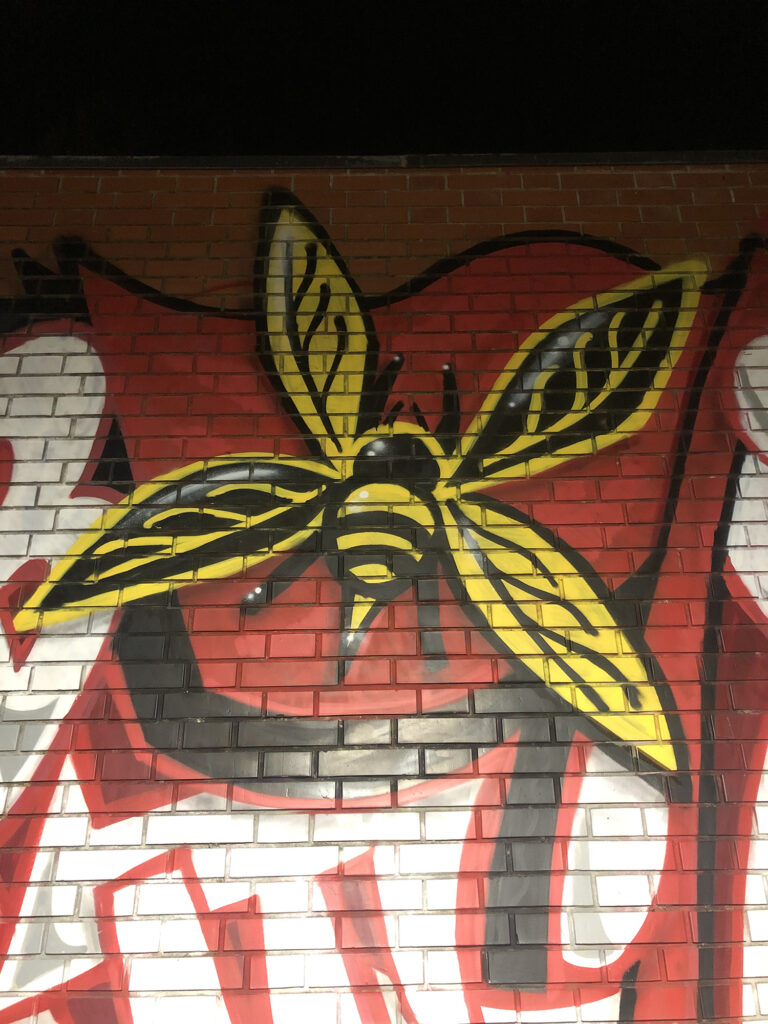
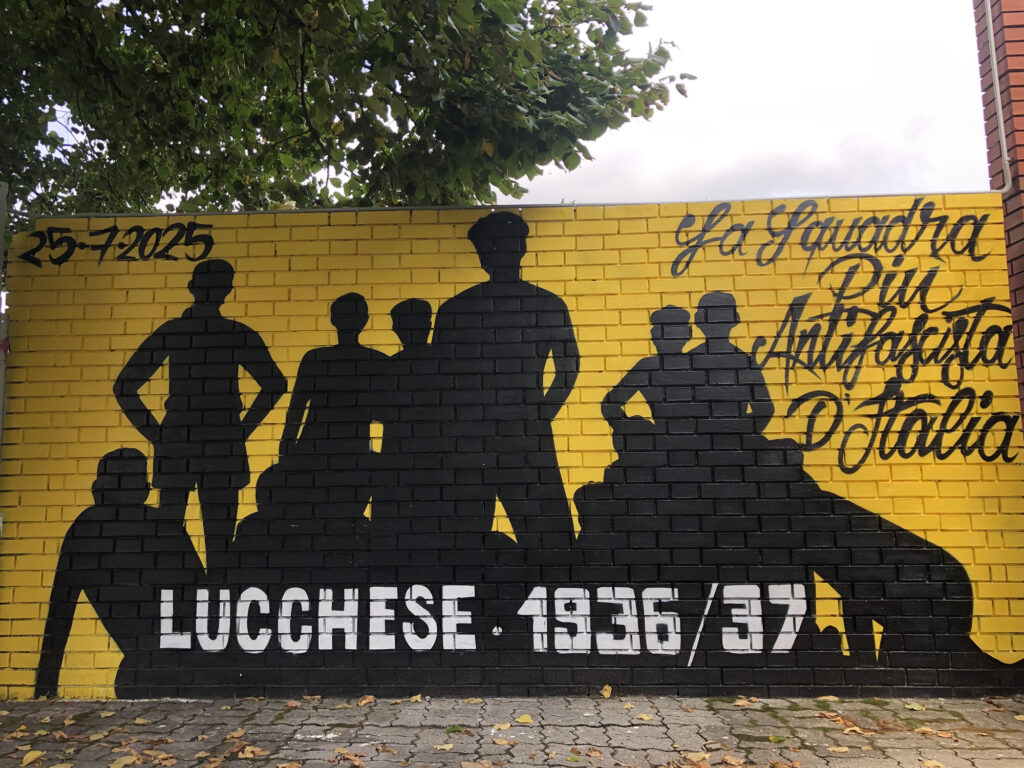
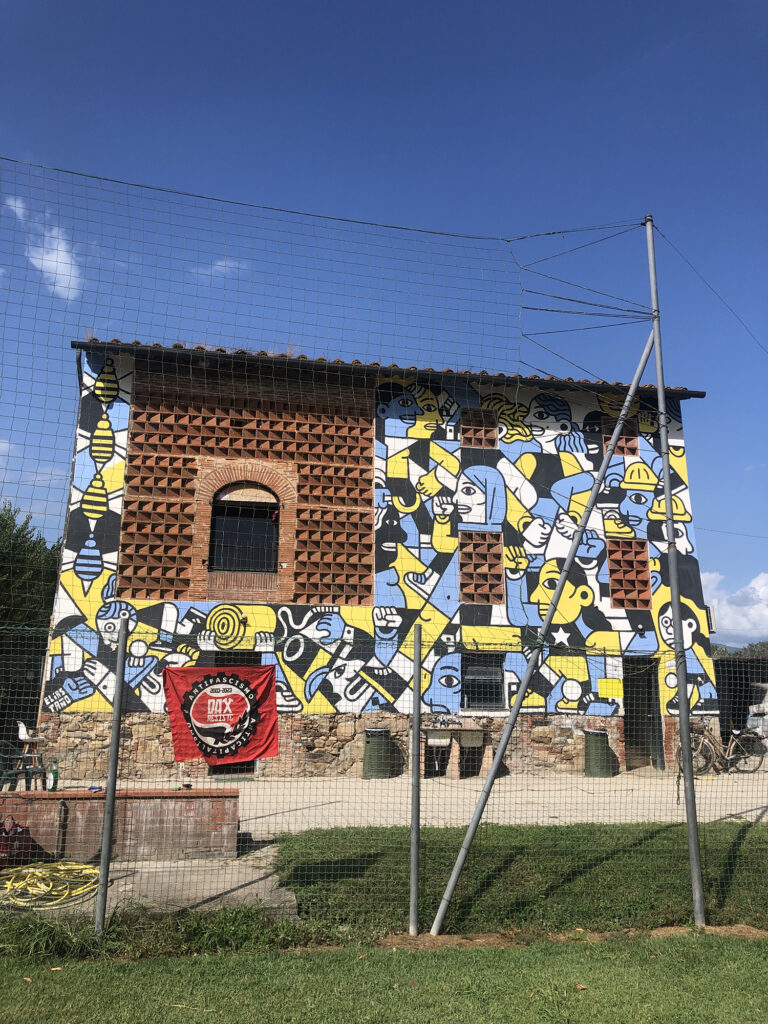
When Elias Taño created this large mural on the locker room, that’s when we said to ourselves, “This house is now ours!”
How would you define your political stances?
We are antifascist, antiracist, antisexist, and… in truth, we struggle to define ourselves. Probably because we are autonomous by tradition! Many members, like many athletes, are not activists and often not even politically engaged. Many people are involved in their own way: the parents of the U15s, the boxers, the supporters, people who drops by for a drink…
There is an assembly that often makes political decisions, but this heterogeneity always places us in a very pluralistic, sometimes contradictory, synthesis.
For example, the queer issue in our context has been addressed for about two years because it was brought up directly by queer athletes who joined the assembly.
Trebesto’s political action is rarely direct; it is primarily, and surprisingly effectively, an awareness-raising effort. A young footballer who comes to play at Popolare Trebesto comes into contact with a plurality of worlds, conflicts and discussions whose existence they would otherwise never have known.
When did you start creating teams for other sports besides football?
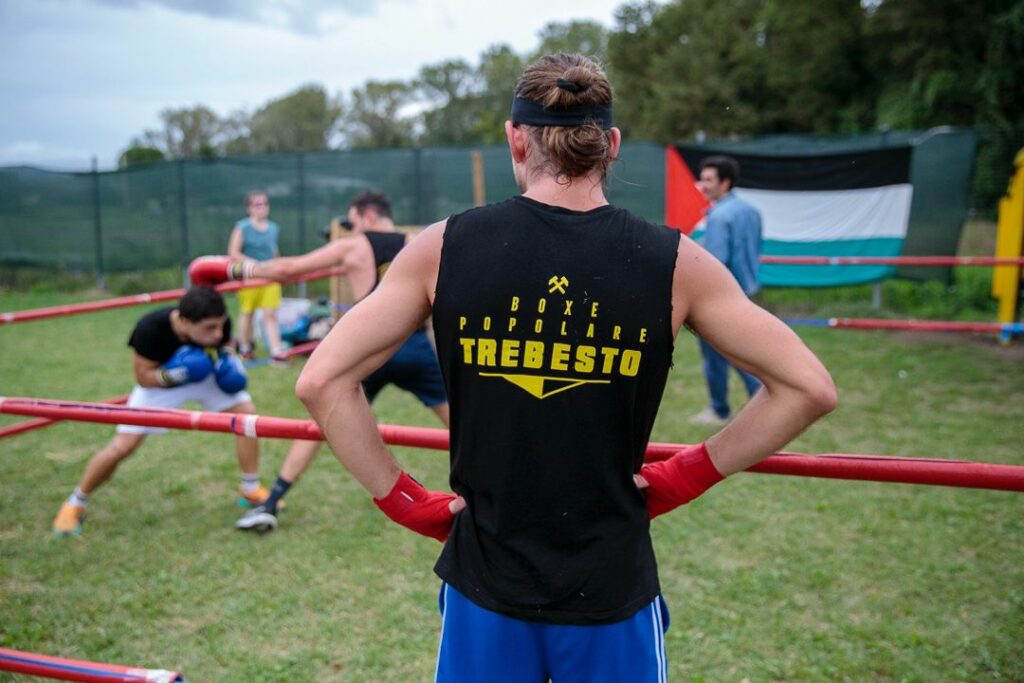
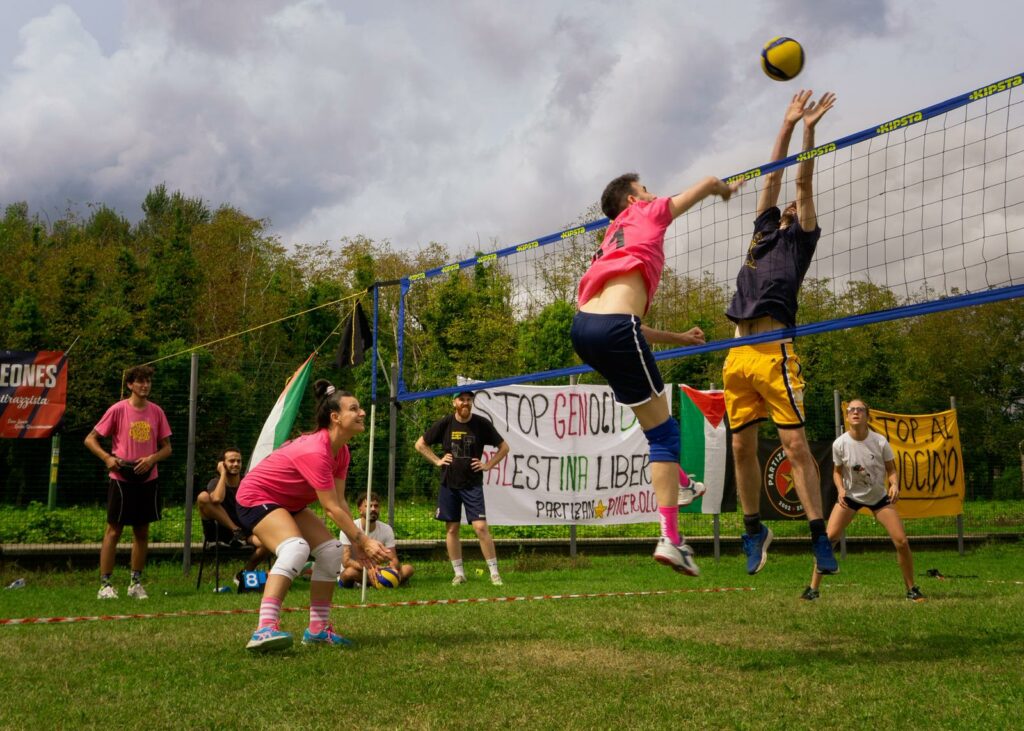
We started with boxing as soon as we had the opportunity to use the pitch, which is actually a multi-purpose space. This allowed us to attract people who didn’t have any free space to practice together. Volleyball started in 2022, as well as hip-hop dance, yoga, and aerial dance—all born from the desire of friends who wanted to create dedicated spaces within sports for the first time.
Do you carry out other activities in parallel?
Our team involves around 200 people; we are an open space for people who want to challenge power structures and hierarchies.
Many of us are part of the Lucca Coordination for Palestine. We hosted meetings of the transfeminist collective Santa Frocia and provided them with logistical support for organizing a queer-antagonistic segment at the Pride 2024 demonstration.
How did you create Trebestival?
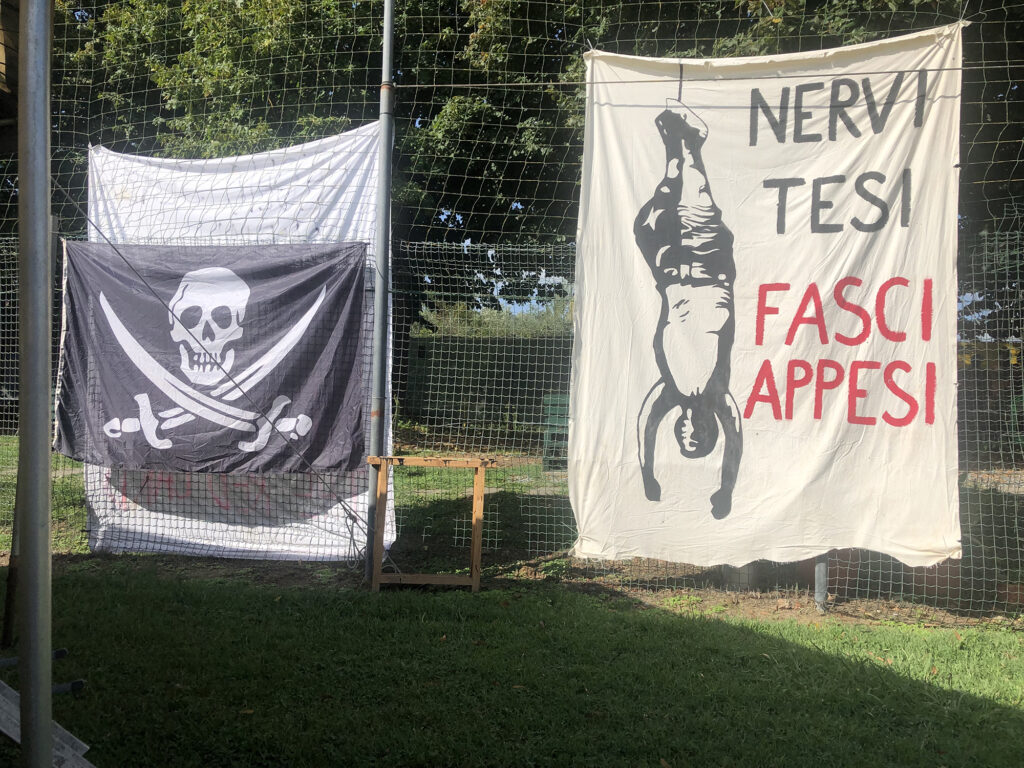
The festival was born from the local culture of “sagre,” these village festivals that enliven our summers, as well as the desire to create gatherings to celebrate a self-managed, DIY culture, inherited from the BORDA!Fest experience, while also presenting and funding the new sports season.
Some of us work in technical production. This allowed us to accomplish things that would never have been impossible otherwise.
How do you consider developing the festival in the coming years?
This question is constantly evolving; there’s a lot of spontaneity involved. It’s becoming increasingly difficult to foster social interaction independently.
There’s growing repression, but we will continue to resist. This year, the sporting aspect was somewhat sidelined, and we would like to put it back at the forefront.
Can you outline the political context within Lucca? What does this city represent for Italians?
Lucca is a Catholic and conservative city with a significant neo-fascist history. It was a haven for fascists in the 1970s and a testing ground for the far right, both during the periods of the fascist squadristi and in government. To give you an example, the current deputy mayor comes from CasaPound, a far-right organization that defines itself as “3rd Millenium faacists.”
From an economic perspective, Lucca is an affluent, middle-class area. A city of Roman origin, with a medieval historic center. Unfortunately, it’s no longer a real city, but rather a kind of desolate museum, lacking a true community, consumed by tourism and high costs of living.
Even though we never had squats or stable social centers, popular opposition has been characterized by lively and creative autonomous movements.
In contrast to the city of events, we fostered a diffuse autonomy and organized highly politicized Temporary Autonomous Zones deeply rooted in their local context.
From 2013 to 2020, we organized BORDA! Fest in Lucca, a self-produced festival of music and illustration. The story is told in the book “Rise of the Subterraneans”. The title speaks for itself.
We have always been very connected to our environment and our own living spaces, perhaps even too much so. Building a network with comrades in neighboring cities is something that has been politically lacking in recent years.
What is the political orientation of the “official” city’s club, Lucchese 1905? Do you have any contact with them?
In 1936, Lucchese was promoted to Serie A during the Fascist regime. The coach was a Hungarian Jew named Ernő Erbstein, an innovator in the football history, and the captain was Bruno Neri, who died in 1944 as a partisan.
Unfortunately, the anti-fascist history gradually faded away, and in the early 2000s, the management expelled all apolitical or anti-fascist groups from the stands, creating only one openly far-right ultras group, the Bulldog Lucca ( The disastrous effects of “modern” football were being felt: five bankruptcies and a half-empty stadium).
The leader of this ultras group fled Italy after several criminal sentences. To this day, he remains a fugitive in Ukraine and reappears publicly as the head of an Italian association in Donbas or at political events related to the current municipal administration. The business of war has no redeeming qualities.
We really want to emphasize this point: the relationship between football, and fascism is something orchestrated and financed by the authorities. This is the case in Lucca. It’s also the case throughout the country.
As Trebesto, we have never publicly positioned ourselves in opposition; we operate on two separate levels. You can’t stand as a small raft against a cruise ship, however damaged it may be.
Contacts are rare, and we respect the sincere attachment to the city’s colors felt by some so-called “apolitical” supporters. We are not opposed to the professional team, but we are planting seeds to infiltrate the cultural identity of Lucca football.
Can you talk about the self-managed football teams network in Italy? Why is it so structured and so important at the national level?
The grassroots football network emerged between 2019 and 2020, primarily in our Tuscany/Liguria region, through anti-fascist teams. The network’s main event isn’t ours, but the “Resistentival” in Genoa, which takes place on the second weekend of July.
In various Italian cities, some teams are linked to collectives or squats, while others are completely autonomous. Some are rather apolitical, close to the ultra scene, while others accept sponsors. Each group is different.
Its importance stems directly from the central role football has always played for us and from the fact that prices, repression, and controls in stadiums have increased. The Italian football system is fueled by capital down to the lowest level. The need to experience the 90 minutes of a match in a sincere and active way remains very strong. As a result, there are many attempts at reappropriation, whether by dissident ultras, by people from small villages, or by grassroots activists.
In addition to the grassroots football network, there’s also the grassroots boxe network, which is a different but parallel network. It’s very present and powerful in Italy.
Do you have any friendships with any other teams?
Spartak Lecce has long been a voice in the wilderness, organizing tournaments for grassroots teams every summer. Resistente de Genoa, Partizan Pinerolo, Spartak Apuane, Lokomotiv ViadiPietreto, Aurora Vanchiglia, AC Lebowski… these are just the first ones that come to mind.
What are your goals for the years to come?
We want to create a strong network for grassroots volleyball at national level, like the ones that already exist for boxing and football.
At the same time, it’s important for us to continue involving more and more diverse people into the Trebesto community, without ever compromising its core values and organization.
The youth section is very ambitious, but perhaps one day we’ll be ready for it.
Another fundamental goal is to dismantle the concept of toxic competition. It must be possible to play sports intensely and with commitment, without identity-based prejudices, promoting inclusion and solidarity rather than destructive rivalry.
But we also have to admit that… winning the championship would be pretty great!