
ZETKIN
(Punk, Pays Basque)
Interview
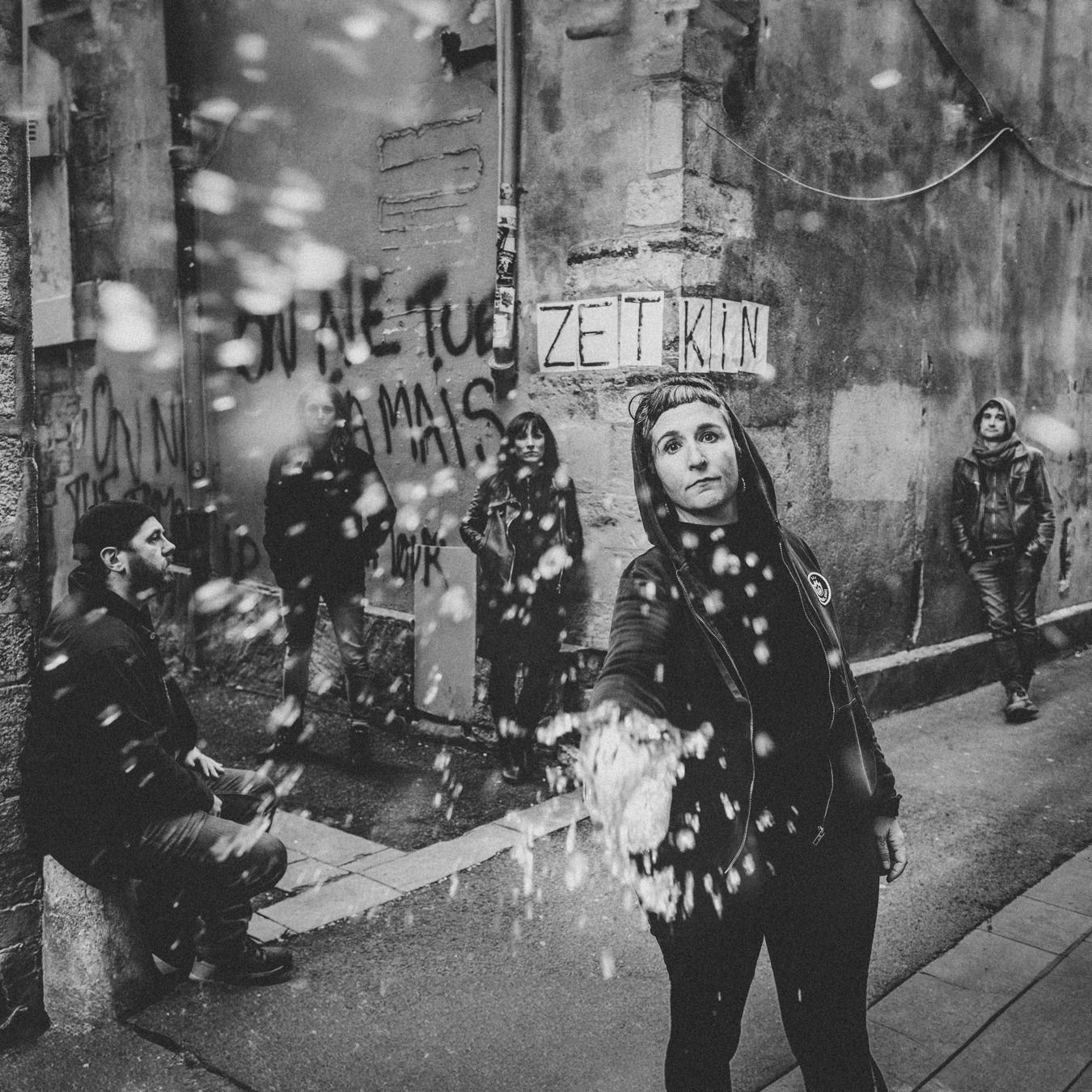
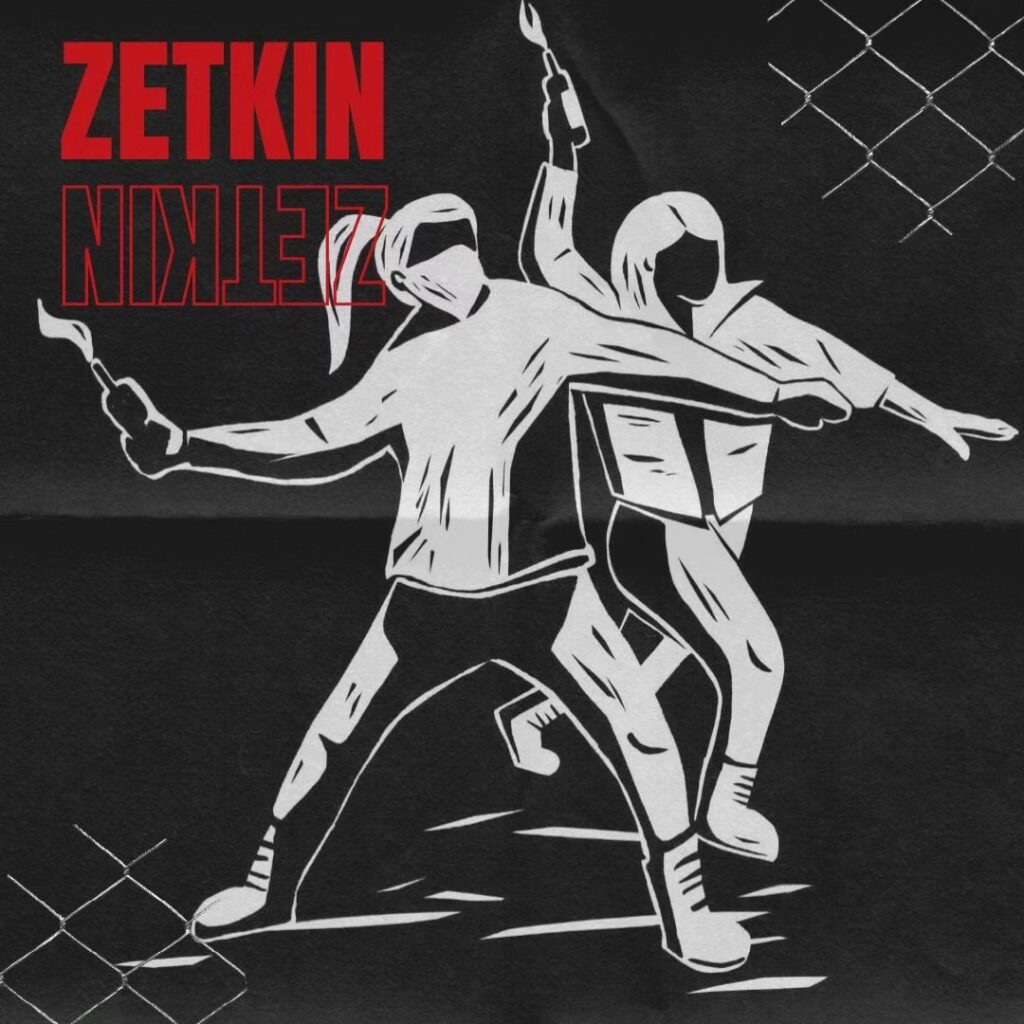
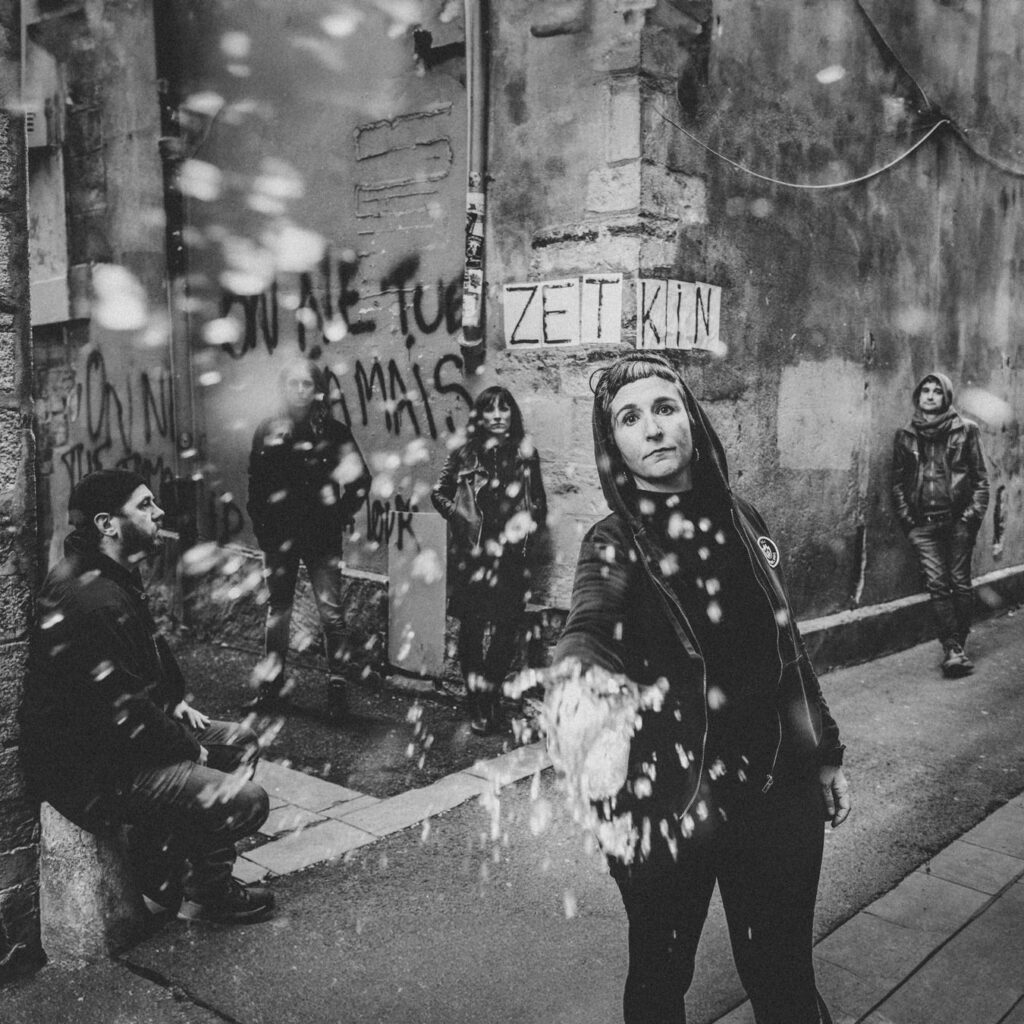
Founded in 2022 by Nathalie and Mari, punk band ZETKIN (reference to “Clara,” a German feminist activist who initiated International Women’s Day) was initially intended to give voice to anger and claim for a place in the still very male-dominated music scene.
Hailing from Bayonne area, the band is also serves as a political tool in defending the Basque language (Euskara), in the tradition of Basque punk since the 1980s. The band rocks and has a lot to say! We caught up with Nathalie (bassist) and Mari (singer) after a memorable concert at the Gaztetxe of Hasparren!
Interview by Polka.B | Translations : Nino Futur | Illus : Dust Artwork

How did you started the band? What was your vision of the thing at that time?
Nathalie : It was initially driven by a political and feminist action desire. We had things to say. We started with the observation that at punk concerts, there were only men on stage. And to convey anger and rage, nothing beats punk! This aesthetic removes a certain musical pressure. You can experiment, and eventually, it all comes together.
I had never been on stage before Zetkin! And neither had Mari! We just went for it without hesitation, both passed forty.
We wanted to check your musical education within the Basque alternative and activist scene. How did this experience formed as individuals?
Mari : We met in activist places, sharing a certain vision of the Basque Country! That’s why were friends. We shared a political vision of the oppression of Basque people language. Nathalie and I have different backgrounds, but we were immersed in the same musical movements that accompanied those years of struggling, resistance, and occupations (La Polla Records, Kortatu, Anti-Regimen…).
Nat : In the Basque Country, we have cultural tools for activism that highlight our language as a minority language. We can mention the EHZ (Euskal Herria Zuzenean) festival, which gather huge crowds. This musical event shaped us. It brings together many Basque activists in a festive and communal setting where political issues are a central thing.
Can you tell us about the importance of the language?
Mari : It’s essential to preserve spaces where Basque is spoken. Even if others speak French, we continue to speak Basque. It’s a form of resistance against the dominant oppression. We experience this resistance in an intersectional way because we are women. In terms of feminism, the Basque language is interesting because it doesn’t use gender forms. It’s much more than just a language. It can also subvert codes of oppression while helping to unify the North and the South. That’s very powerful.
Into the Basque punk scene, what are the differences between North and South?
Mari : The impetus has always come from the South side. First, because of the size. The North is much smaller, with three small provinces. The four large provinces of the South have a much larger population. The culture of resistance and self-management developed more in the South, because the systems of oppression weren’t the same also. The working class culture comes more from the South, because the major industries and factories were located there. Skinhead culture, labor movements, strikes,occupations, and squats developed particularly there. In this context, speaking Basque was also a way of claiming belonging to the working class.
Within the Basque punk scene, it seems that feminist struggles were handled earlier than elsewhere. What do you think?
Mari : Perhaps because in the Basque Country, punk can’t be separated from politics. For us, it’s an evidence. We can’t imagine making music without making statements. I also think the development of the Gaztetxe culture (youth centers) had its impact. This culture of self-management had concrete effects. There have always been a lot of women within the organizations…
Nat : I keep coming back to the differences between the South and the North. In the South, they endured Franco dictatorship. It’s still a very recent history. This full awareness of fascism meant that progressive developments took place much faster, starting in the 1970s. Everything is more feminist, that’s true.
Can you tell us about your last album, “Emazte Gudari” released last year?
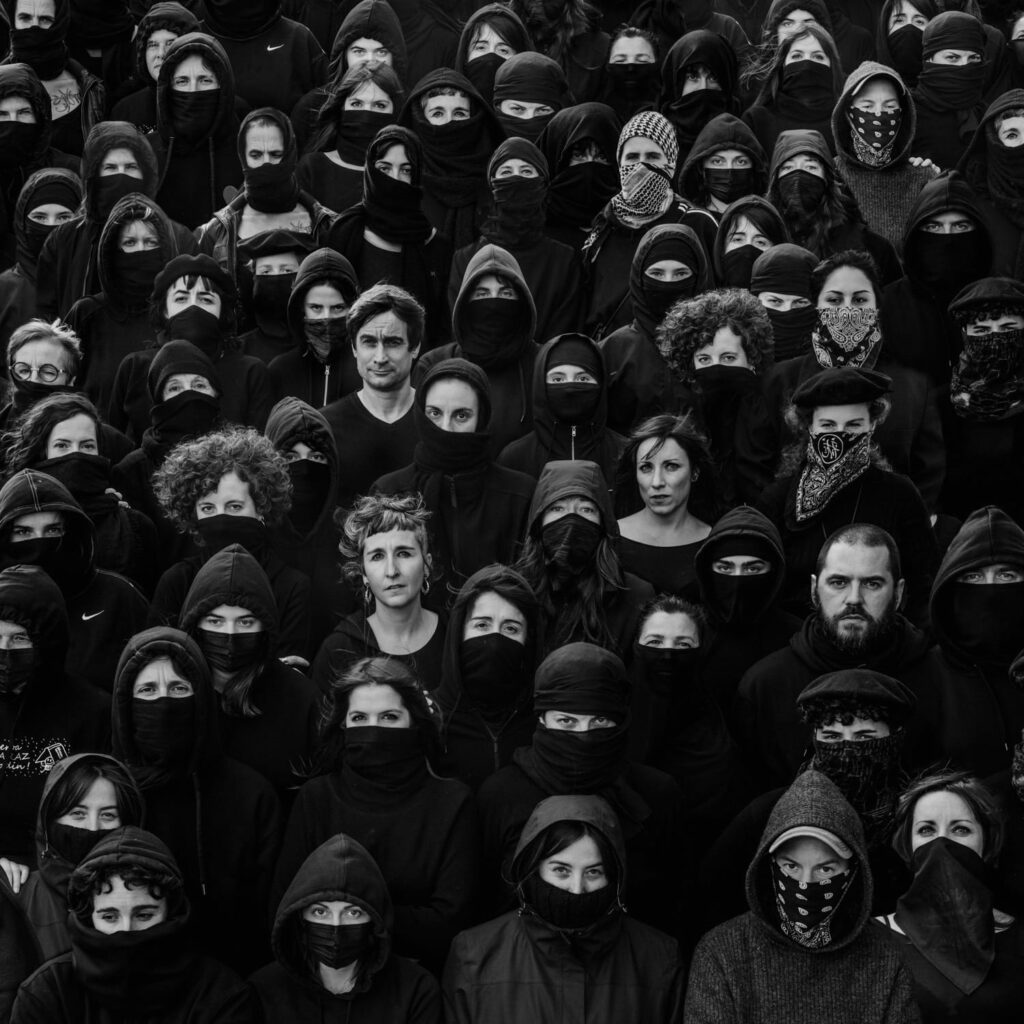
Mari : It means “Woman Fighter.” At the time, we did a concert in a prison near Vitoria-Gasteiz. An ETA (independentist basque organisation considered as “terrorist” ED) militant was imprisoned there. In the Basque Country, the heroic figure of the militant is always a man. When he’s in jail, his status is particularly valued.
Nat : He receives tons of support letters, also acquired sex symbol status. If you’re a woman, it’s completely different! Nobody cares. You see it at the tributes when they’re released from prison. Imprisoned female militants aren’t valued in the same way.
Mari : We also see this imbalance in terms of economic solidarity. These women have suffered from “maternal” guilt. They’re criticized for choosing the struggle rather than taking care of their children. In short, for a woman, this sacrifice in the service of the struggle doesn’t receive the same recognition.
Nat : We wanted to pay tribute to this prisoner and all the others. While also paying tribute to everyday women. Everyday fighters, because we are!
Musically, how does this album differ from the previous?
Nat : It sounds different. The first one sounds very “garage.” We recorded it with low resources we had. For Emazte Gudari, we invested more in studio.
Mari : We also knew we were going to be opening for Fermin Muguruza (singer of Kortatu and Negu Gorriak) in Bordeaux. We wanted to make things right!
Nat : Mari and I don’t have a musical background at all. We wanted to break into these very male-dominated circles and assert our right to be there with a good quality album. It’s really hard to launch a career as a woman. We always have this imposter syndrome holding us back. Guys don’t have that problem. They just go for it and don’t care. We weren’t going to pass up the opportunity to release an album in the best possible way!
Can you tell us about that live with Fermin Muguruza?
Mari : It was a dream coming true for us. We went for it, sent him an email! And he asked us to open for him in Bordeaux… An incredible experience!
Nat : After our concert, he asked Mari to come and sing “Zu Atrapatu Arte” with him on stage! A cult song in the Basque Country… She performed it in Bordeaux, and also in Berlin. And then at the EHZ festival.
Mari : It was a huge honor. I also think that Zetkin is part of a political landscape that resonates with him. It’s no coincidence that he asked me to sing a Kortatu song.
Have you already performed in France?
Mari : Well, at first we weren’t even planning on doing concerts! We were in lockdown, it wasn’t on the agenda. In the end, it kind of happened unexpectedly. We got offers, and we worked on songs. That was also the case at the Ocean Fest festival where we opened for Gojira in Biarritz. Honestly, it wasn’t planned at all!
Nat : Last summer, we played in Brittany and it was amazing. We can tell something’s happening there.
Do you have Basque punk recommendations?
Mari : There are loads! Penadas Por la Ley…
Nat : In the old school vein, there’s also la Polla ! They’re essential. There are bands from the Southern Basque Country who sang in Spanish since they were educated in that language. Like Cicatriz.
Any newer bands?
Nat : Ginger ! local feminist punk. They’re really cool. (check the “Narras” album)
Mari : Check out Perlata too! (“Alosia” album).